
Why Handwriting Unlocks Memory, Creativity, and Team Participation in Hybrid Work
Grenoble - January 14, 2026
TL;DR: Key Takeaways
Handwriting engages deeper neural pathways for better memory and cognition.
Writing by hand sparks creativity through freeform thinking.
Integrating handwriting with digital tools boosts team participation in hybrid settings.
Digital whiteboards that preserve handwriting nuance enhance collaboration flow.
The future of hybrid work blends analog spontaneity with digital efficiency.
The Real Cognitive Benefits of Handwriting for Memory and Focus
How Handwriting Improves Memory in the Workplace
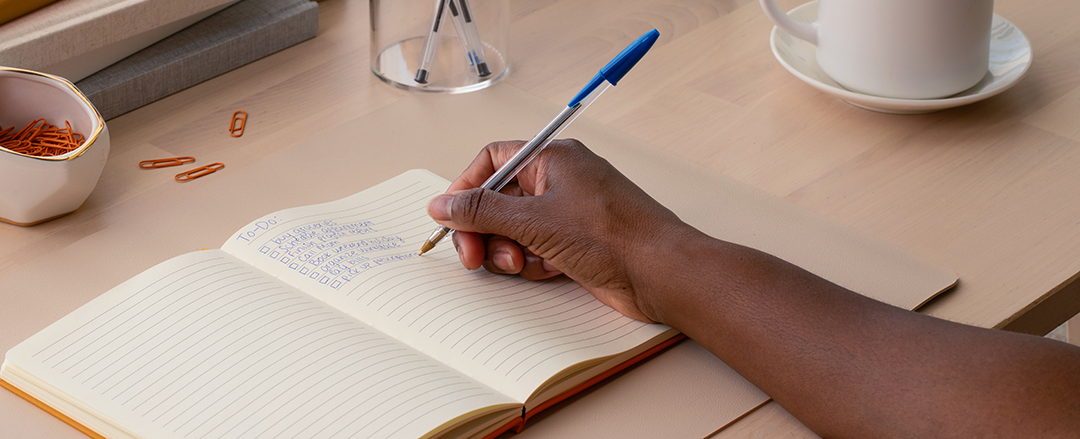
Writing by hand activates a wider network of brain regions involved in movement, vision, and memory, which leads to deeper processing of information. According to Scientific American, handwriting forces the brain to summarize rather than transcribe, resulting in better comprehension and long-term recall.
Why Your Brain Works Harder — and Better — When Writing by Hand
EEG studies published in Frontiers in Psychology show that handwriting produces more complex and synchronized brain activity than typing, which is linked to learning and memory formation. This makes handwritten notes far more cognitively effective in professional and learning contexts.
Slowing Down to Retain More
Handwriting’s slower pace requires the writer to summarize and synthesize ideas, fostering intentional thinking and stronger encoding of information — a key advantage in meetings, workshops, and strategic sessions.
How Handwriting Sparks Creative Thinking and Problem Solving
Unlocking Creativity: Why Handwriting Boosts Original Thinking
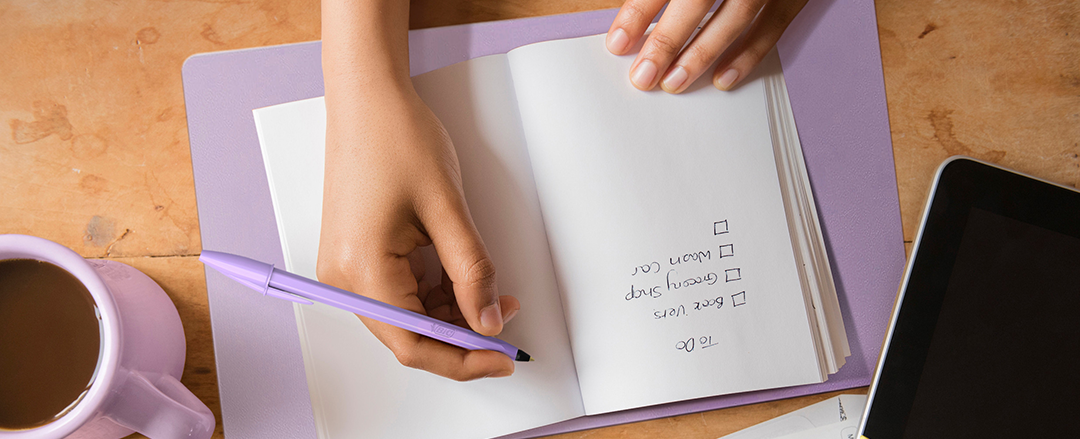
Research summarized by SchoolPlanner writing by hand is associated with greater idea generation and creativity. Because it slows the writing process, it allows for more reflection, synthesis, and insight, which can lead to more original ideas.
Why Sketching Often Beats Typing
Even simple sketches create visual pathways that help teams organize, connect, and reframe ideas — a cognitive benefit absent from rigid typing interfaces.
Visual Thinking Through Handwriting
Hand-drawn visuals help groups build shared mental models and elevate collective creativity, both in person and remotely.
Making Hybrid Work More Human with Handwriting and Digital Tools

Handwriting in Hybrid Digital Collaboration
Hybrid work is now the norm for most organizations (64% of leaders say their company uses a hybrid model according to Zoom study in 2024), with the majority of companies offering flexible work models. Digital tools that support handwriting preserve the natural rhythm and expressiveness of in-person collaboration. (source)
Smooth Paper-to-Digital Workflows
Handwriting needs to integrate seamlessly with digital workflows. Tools that capture, convert, and sync handwritten ideas help teams maintain momentum from brainstorming to delivery.
Spontaneity in Tech-Driven Hybrid Meetings
Digital tools that require menus and clicks break conversational rhythm. By contrast, handwriting restores expressiveness and immediacy to hybrid collaboration.
Boosting Team Involvement Through Hybrid Settings

Why Analog Tools Bring More People Into the Conversation
Analog tools such as pens, sticky notes, sketchpads and other traditional tools reduce the psychological barriers that often exist in digital environments. Writing or drawing feels informal and forgiving, which encourages more spontaneous contributions. This is especially valuable in hybrid meetings, where quieter or remote participants can otherwise feel sidelined.
Reducing Anxiety and Encouraging Input
Typing into a shared document can feel public and permanent, which increases self-censorship. Handwriting, by contrast, feels temporary and flexible, making it easier to share half-formed or experimental ideas. This lowers anxiety and creates a safer space for creative risk-taking.
Physical Gestures Enhance Presence
Seeing colleagues write, sketch, or gesture in real time—even through a screen—creates a stronger sense of human presence. These physical cues signal attention and engagement, helping remote participants feel more connected to the group and more involved in the collective thinking process.
Eliminating Tech Friction in Workshops and Brainstorms
Identifying Collaboration Blockers
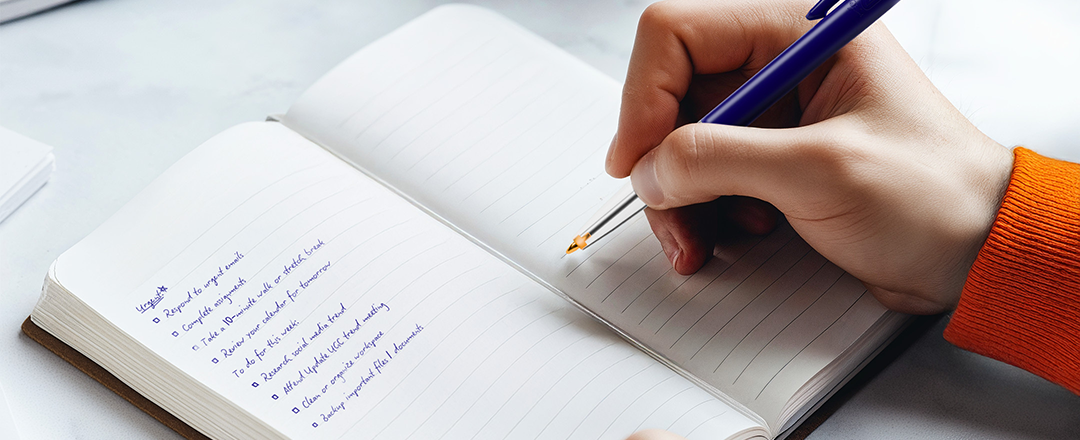
In many hybrid workshops, the biggest obstacle is not a lack of ideas but the technology meant to support them. Complex platforms with steep learning curves, login issues, or cluttered interfaces interrupt the natural flow of discussion and force participants to focus on tools instead of thinking. When people struggle with software, they disengage cognitively, which reduces both the quantity and the quality of ideas being shared.
Why Intuitive Tools Supercharge Participation
When a tool is immediately understandable, people feel safer to contribute. Intuitive interfaces remove the fear of “doing something wrong,” which is especially important in creative and strategic sessions. This psychological safety encourages participants to speak up earlier, sketch ideas freely, and take creative risks—exactly what high-performing workshops depend on.
The Future of Work: Integrated Analog-to-Digital Collaboration
Next-Gen Whiteboards Preserve Handwriting Essence
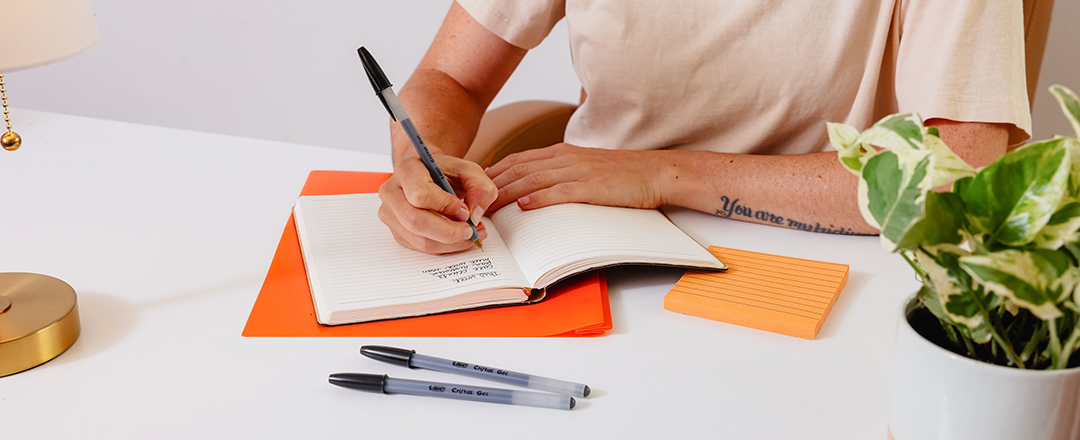
The newest generation of collaborative whiteboards is designed to keep the personality and expressiveness of handwriting intact. Rather than flattening ideas into uniform text, they allow individual styles, sketches, and annotations to remain visible while still being captured digitally for sharing and archiving.
Invisible Tech That Enhances, Not Interrupts
The most effective collaboration tools are those people barely notice. When technology fades into the background and simply supports writing, drawing, and sharing, teams can focus on thinking together instead of managing software. This invisibility is key to maintaining cognitive flow in hybrid environments.
Enhancing, Not Replacing, Analog Methods
The future of work is not about abandoning pen and paper but about extending their power. By integrating analog input into digital ecosystems, organizations preserve the cognitive and creative benefits of handwriting while gaining the scalability and connectivity of modern collaboration platforms.
Conclusion
In a world of rapid digital acceleration, handwriting remains a powerful cognitive and creative tool. Far from being nostalgic, it supports memory, deeper thinking, and inclusive collaboration — especially in hybrid and remote work. Blending the best of analog and digital methods yields more engaged, productive teams.
AMI (Advanced Magnetic Interaction): Bringing Handwriting Into the Hybrid Workspace
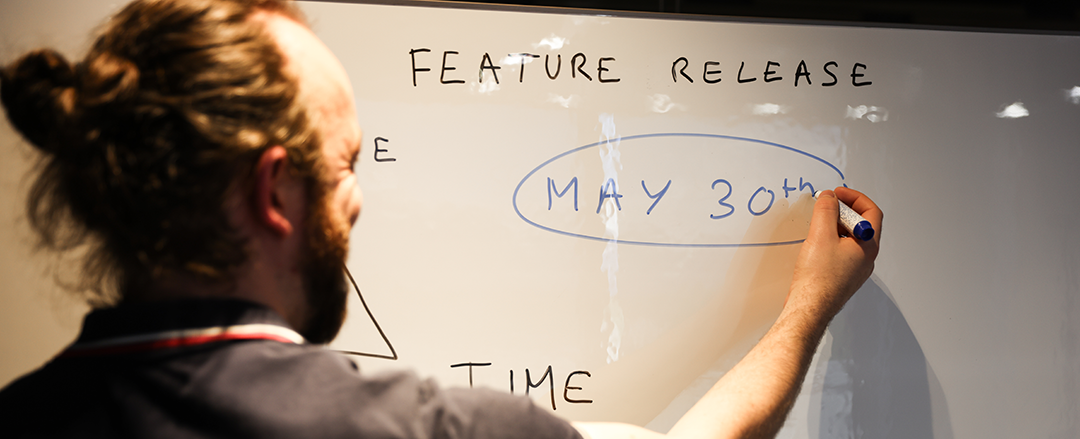
At AMI (Advanced Magnetic Interaction), our mission is to make visual collaboration more human, more intuitive, and more cognitively powerful. The science behind handwriting—its ability to activate memory, creativity, and attention—is exactly why AMI designs interaction technologies that preserve the natural relationship between the brain and the hand.
In hybrid and digital-first environments, AMI enables teams to write, sketch, and think naturally on large interactive surfaces, then instantly share, stream, and transform those ideas into digital workflows. By allowing handwriting to exist fluidly between physical and virtual spaces, AMI ensures that analog thinking is not lost—but amplified.
Where many digital tools flatten ideas into clicks and menus, AMI keeps gesture, movement, and freeform expressionat the center of collaboration. This is what turns meetings into thinking spaces, and whiteboards into engines of memory, creativity, and participation.
In short: AMI is the bridge between how humans think and how hybrid teams work.
Frequently Asked Questions (FAQ)
Is handwriting better for memory than typing?
Yes — handwriting engages broader networks in the brain, aiding deeper processing and long-term memory retention.
How does handwriting help with creativity?
Handwriting supports idea generation and creativity by slowing down the thinking process, encouraging reflection, and helping writers synthesize and develop their thoughts.
Can handwriting still play a role in digital collaboration?
Modern platforms support real-time stylus input and handwriting recognition, making handwriting viable in remote teamwork.
Why is analog input more inclusive?
Handwriting feels accessible and reduces intimidation, helping more people contribute comfortably. Use stylus-enabled whiteboards or apps with handwriting recognition to capture and share work-ready notes.