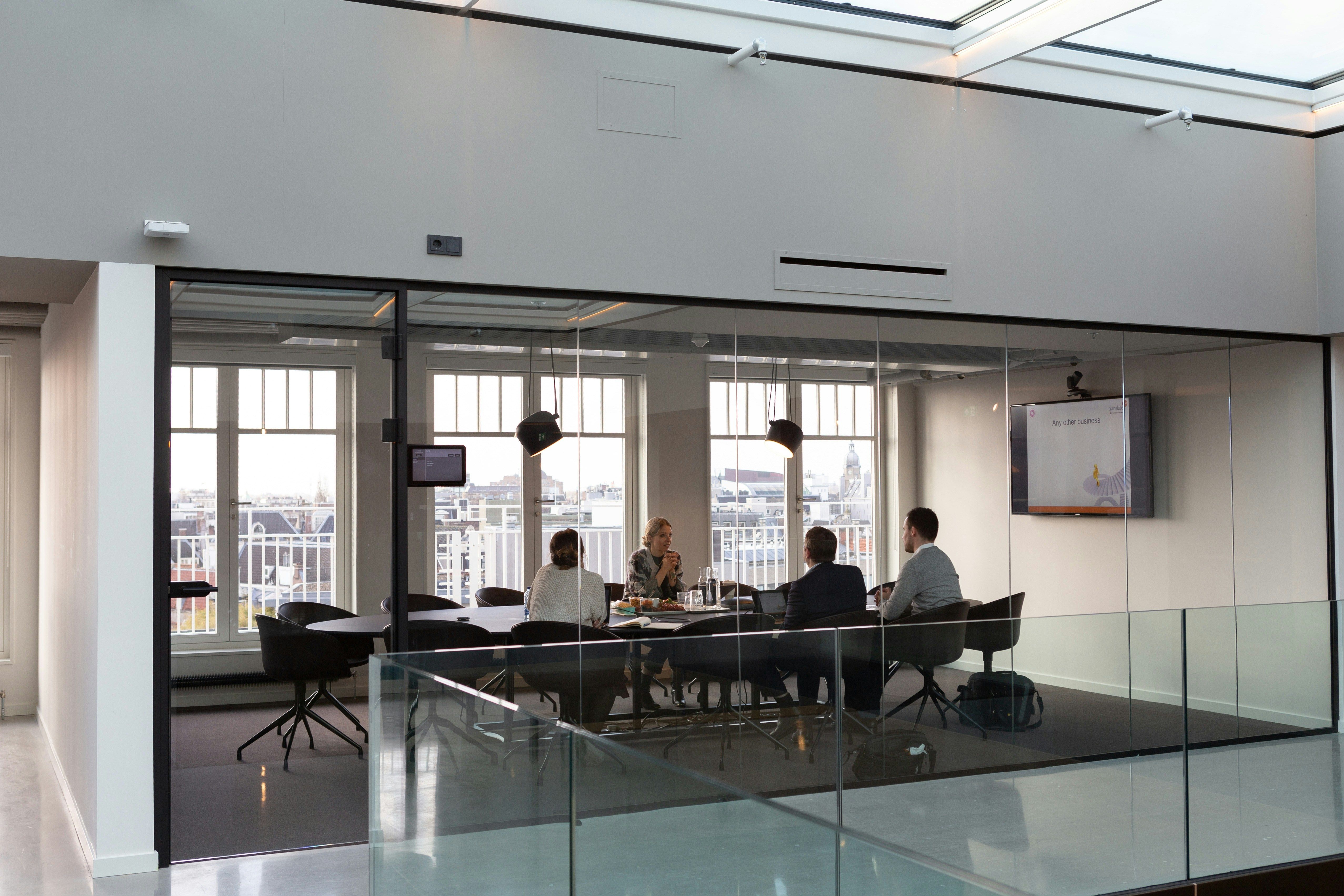
The Office Furniture Industry at a Crossroads: Protecting Design DNA While Meeting Digital Collaboration Demands
Grenoble - March 17, 2026
TL;DR: Smart Office Furniture in 5 Takeaways
Smart office furniture has to deliver connected collaboration value without turning spaces into tech showrooms.
Hybrid meetings are now the default, so rooms must be consistent, repeatable, and easy to use.
Meeting equity depends as much on layout and sightlines as it does on cameras and software.
Reliability and serviceability matter more than a long feature list when technology is embedded.
Office furniture is being asked to do more than look good and last. Hybrid work is rewriting expectations for collaboration spaces, meeting equity design, and digital simplicity. The central question is how smart office furniture can add connected value without losing design DNA.
This article explores five angles to navigate the shift—with a focus on what actually makes products work in real rooms, at scale.
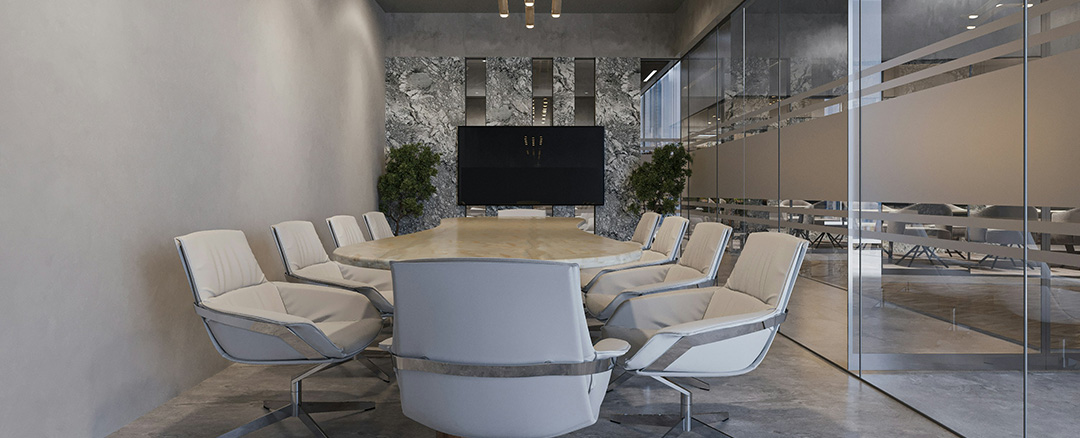
Smart Office Furniture Trends: Moving from Craftsmanship to Connected Experiences
Analog-to-digital workplace shift (what it means for furniture innovation)
The analog-to-digital workplace shift is changing office furniture innovation strategy from building objects to shaping a workplace experience. Furniture is no longer only material and proportion; it supports content capture, content sharing, and session continuity in daily work. The best-connected furnishing solutions must integrate interaction into smart surfaces without turning rooms into technology showrooms. Aim for intuitive UX, touchless interactions where relevant, and frictionless setup so the value feels natural. This shift reflects a broader transformation of the workplace toward digital collaboration and hybrid work environments, as highlighted in the Microsoft Work Trend Index, which shows that employees increasingly rely on digital tools to collaborate across physical and remote spaces.
What “design DNA” means in smart office furniture
Design DNA is the recognizable language of form, materials, and user ritual that makes a brand feel consistent across a product roadmap. It includes restraint, durability cues, and the calm of well-managed cable management and power management. With smart office furniture, technology should behave like a quiet layer that respects proportions and in-room experience. Treat embedded electronics as a guest: the brand should still be readable at first glance, even as the product becomes more interoperable and sensor-enabled products appear in the background. The practical test is simple: if the tech disappeared, the piece should still feel unmistakably “on brand.”
Smart office expectations (room readiness, predictability, adoption)
Smart office expectations are simple: room readiness, predictable behavior, and fast user adoption. People don’t want to “learn the room” every time; they expect device compatibility and unified collaboration across spaces. That’s why smart office furniture must focus on room control simplicity and reliable outcomes, not feature density. The goal is a meeting room ecosystem that repeats well, supports activity-based working, and reduces decision fatigue. If users need instructions, adoption drops—and the room becomes a liability instead of an asset.
Connected furniture basics (what to build in, and what to avoid)
Connected furniture solutions add digital capabilities while staying furniture-first in ergonomics and aesthetics. Practically, it can support presence cues, collaboration space flows, and continuity between a hybrid meeting room setup and personal devices. Prioritize modular architecture so connectivity is upgradeable and integrator-friendly design stays consistent across lines. Maintenance should be planned: firmware lifecycle, field service, and maintainability must not disrupt operations. The baseline expectation is that connected features feel “built-in,” not bolted on.
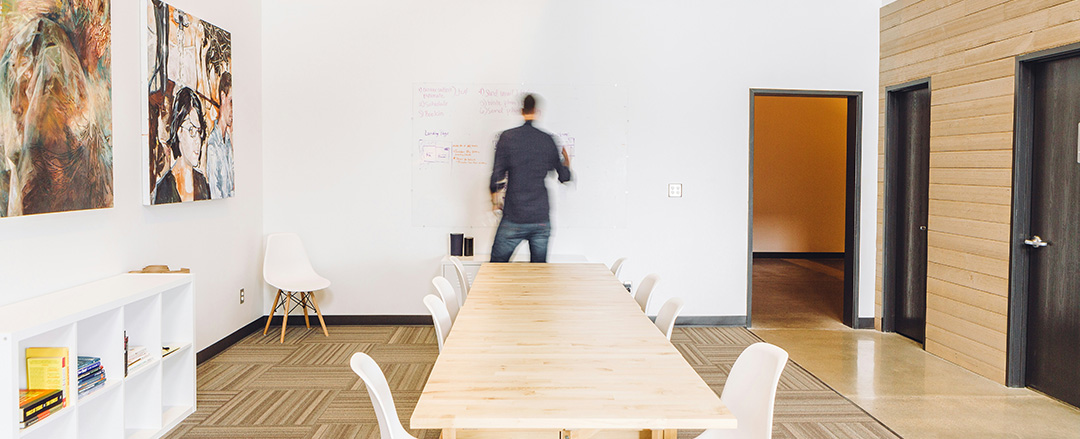
Hybrid Meeting Room Setup: Designing Furniture for Collaboration and Meeting Equity
Hybrid work reality (how offices are being used now)
Hybrid work is not a temporary exception; it is reshaping collaboration spaces into agile workspace hubs rather than permanent desk farms. Rooms must switch quickly between solo focus, team workshops, and hybrid collaboration furniture scenarios. Design for flexible behaviors, not fixed roles, so the room guides movement and attention without complex instructions. Recent signals on expectations and business impact are captured in Flex Report Q3 2025 - Hybrid and Remote Work by the Numbers. The implication for furniture brands is clear: versatility is now a core product requirement, not a premium add-on.
Meeting equity design (how furniture layout supports remote participant parity)
Meeting equity design means remote participant parity: remote and in-room participants should have similar clarity, agency, and access to shared content. That outcome depends on spatial layout as much as it does on tools—camera sightlines, seating logic, and where shared artifacts live in the room. Furniture can help by structuring interaction zones and supporting session continuity across mixed-mode discussions. Research on hybrid meetings shows that meeting equity—ensuring remote and in-room participants have equal access to conversation and content—is a key factor in collaboration effectiveness in modern workplaces. For concrete guidance on how design decisions shape equity, see Equity Through Design — How to Improve Hybrid Meetings. Put simply, equity is designed into the room before anyone clicks “Join.”
How to reduce friction in collaboration spaces (setup, controls, consistency)
Reducing friction means fewer steps from entering the room to productive collaboration. It relies on consistent touchpoints, discoverable controls, and interoperability that “just works” with minimal choices. In practice, frictionless setup includes standard placements, clear power management, and avoiding hidden steps that stall user adoption. When people hesitate, the in-room experience becomes uneven—and hybrid meeting room setup quality drops immediately. The goal is to make the “first 60 seconds” of every meeting boring—in the best way.
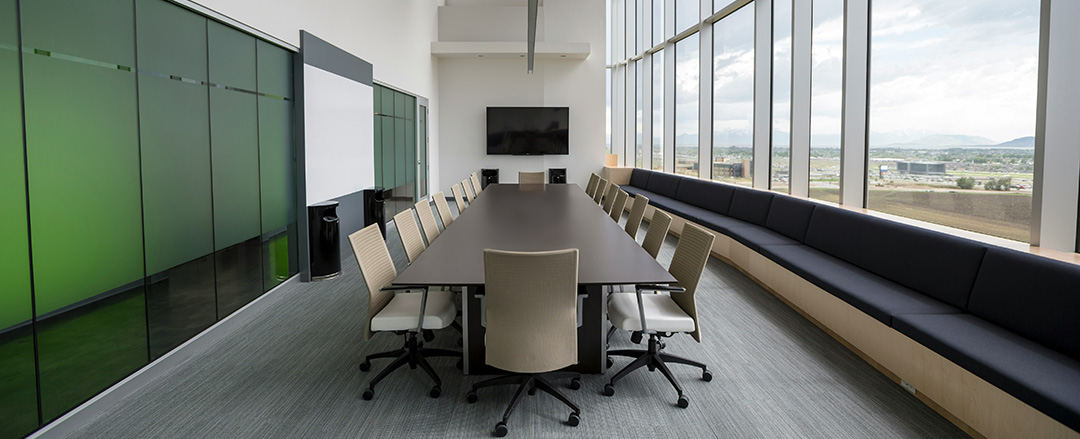
Smart Office Furniture Design: How to Add Digital Value Without Breaking Aesthetics
Invisible tech principles (keep the room calm, keep use obvious)
Invisible tech principles hide complexity while preserving clarity of use. The product should communicate purpose without exposing wiring, noisy indicators, or confusing surfaces. Smart office furniture can stay visually quiet through disciplined cable management, restrained touchpoints, and clear affordances that support intuitive UX. When the room feels calm, user adoption rises—even as the space becomes more digitally capable. Workplace design experts increasingly emphasize that technology should fade into the background of collaboration spaces, allowing people—not devices—to remain the focus of the meeting experience. Research on effective highlights that well-designed environments—where technology integrates seamlessly into the space—are essential to maintaining participant engagement and meeting equity. The design win is when people notice the meeting quality, not the hardware.
Modular integration strategy (upgradeability without redesign)
A modular integration strategy keeps technology replaceable while the furniture remains timeless. Separate the aesthetic shell from the digital core so upgradeability is possible without reworking the whole line. This modular architecture supports future-proofing and protects design DNA across generations. It also makes integrator-friendly design easier, because installers work with consistent modules instead of reinventing each room. The business benefit is straightforward: upgrades become planned refreshes, not disruptive rebuilds.
Serviceability by design (maintenance, diagnostics, field replacement)
Serviceability by design ensures maintainability: components are accessible, diagnostics are clear, and replacement paths are predictable. That reduces downtime and supports field service workflows that facility teams can trust. Serviceability also protects room readiness; hybrid collaboration furniture must be dependable day after day, not only during a demo. When service is straightforward, connected furniture solutions gain long-term credibility. If support is hard, procurement will treat the product like a pilot forever.
Compliance and certification for connected furniture (procurement confidence)
Compliance and certification build procurement confidence and accelerate deployment. Product certification and compliance testing should be planned early, alongside industrialization choices, rather than treated as a final hurdle. In connected environments, compliance affects everything from device compatibility expectations to how a platform approach is maintained over time. Treat these requirements as design constraints that help protect reliability and brand differentiation. Done well, compliance becomes a selling point because it reduces IT and facilities objections.
Conclusion
The office furniture industry is entering a new phase where design excellence and digital collaboration must evolve together. As hybrid work becomes the standard, organizations expect meeting spaces that are intuitive, reliable, and consistent across locations. In this context, smart office furniture is no longer just about aesthetics or ergonomics—it is about enabling seamless collaboration, meeting equity, and frictionless technology experiences within the workspace. For furniture manufacturers and workspace solution providers, the challenge is clear: integrate digital capabilities without compromising design DNA.
The most successful products will be those that embed collaboration technology in ways that feel natural, invisible, and easy to adopt. That means prioritizing modular architecture, plug-and-play interoperability, and long-term reliability over feature overload. Ultimately, the future of connected furniture and smart office environments will depend on solutions that balance three priorities: user experience, design integrity, and digital readiness. When technology enhances collaboration without dominating the space, meeting rooms become more inclusive, workplaces become more adaptable, and furniture brands remain relevant in a rapidly evolving digital workplace ecosystem. As the boundaries between workspace design, collaboration technology, and smart office infrastructure continue to blur, companies that successfully bridge these worlds will define the next generation of hybrid workplaces.

From Design DNA to Seamless Collaboration: Where AMI Fits In
As office furniture evolves into a platform for hybrid collaboration, the challenge is no longer simply integrating technology—it is doing so without disrupting the design language and user experience that define great furniture. This is where AMI (Advanced Magnetic Interaction) provides a unique approach. By enabling plug-and-play digital collaboration through magnetic technology, AMI allows furniture manufacturers and workspace solution providers to embed collaboration capabilities directly into tables, walls, or collaborative surfaces—without visible technology layers. The result is a new category of furniture-integrated collaboration tools that preserve aesthetics, simplify deployment, and support the frictionless meeting experiences that modern workplaces demand. For brands looking to bridge the gap between design DNA and digital workplace expectations, AMI represents a practical path toward connected, future-ready collaboration spaces.
FAQ: Smart Office Furniture, Hybrid Collaboration, and ODM
What is smart office furniture?
Smart office furniture combines furniture-first ergonomics with built-in power, connectivity, or sensors that support work behaviors. The best versions improve meeting and room outcomes without adding setup steps or visual clutter.
Why is smart office furniture becoming essential for hybrid workplaces?
As hybrid work becomes the default, offices must support seamless collaboration between in-room and remote participants. Smart office furniture helps create consistent, technology-ready environments by integrating power, connectivity, and collaboration tools directly into the workspace. When designed well, it simplifies meeting setup, improves meeting equity, and enables teams to collaborate naturally without relying on complex technology or dedicated IT support.
How do you design a hybrid meeting room setup for meeting equity?
Start with layout: sightlines, seating angles, and where shared content lives should give remote participants equal access to the conversation. Then align furniture, cameras, microphones, and controls so the experience is consistent across rooms.
How can connected furniture stay reliable over time?
Reliability comes from platform-level architecture, serviceable components, and a planned firmware lifecycle rather than one-off tech add-ons. Design choices like modularity and clear diagnostics reduce downtime and make support realistic at scale.
Is a digital whiteboard alternative better than an IFPD for collaboration spaces?
It can be, especially when teams want lighter capture-and-share workflows without committing to a screen-dominant room. The best alternative preserves familiar analog behaviors while making content easy to digitize and distribute.